
Dental Bonding in Summerville, SC
Not every cosmetic concern requires an extensive procedure to fix. A small chip, an isolated gap, or a tooth that is slightly uneven can often be corrected in a single appointment without removing enamel, wearing a temporary, or waiting on an outside lab. Dental bonding is one of the most efficient and accessible ways to improve the appearance of your smile, and for the right patient, the results are immediate and genuinely meaningful.
At Old Trolley Dental Associates, dental bonding is part of a full range of cosmetic dentistry services available to patients in Summerville, SC. Dr. Scott Kibler and Dr. Michael Skovira offer bonding as both a standalone cosmetic treatment and as part of more comprehensive smile improvements, depending on what each patient is looking to accomplish.
What Is Dental Bonding?
Dental bonding involves applying a tooth-colored composite resin directly to the surface of a tooth, shaping it to the desired form, and then hardening it with a curing light. The resin bonds chemically to the tooth structure, creating a seamless, durable result that blends naturally with surrounding teeth. The American Dental Association notes that composite resin is one of the most widely used direct restorative materials in modern dentistry, with clinical studies demonstrating its effectiveness and longevity in both cosmetic and restorative applications.
The procedure typically requires no anesthesia and is completed in a single visit. For patients who want a noticeable improvement to their smile without the time commitment or cost of more involved treatments, bonding delivers a strong return.
What Can Dental Bonding Treat?
Bonding is a versatile treatment that addresses a wide range of cosmetic concerns. Some of the most common reasons patients at Old Trolley choose bonding include:
- Chipped or cracked teeth: Composite resin can rebuild the broken portion of a tooth, restoring its shape and preventing further damage.
- Discoloration: Bonding can mask surface staining or intrinsic discoloration that does not respond to professional whitening.
- Small gaps between teeth: A thin application of resin can close minor spaces without orthodontic treatment.
- Irregular tooth shape or size: Teeth that appear too short, too thin, or inconsistently proportioned can be built up and reshaped.
- Exposed root surfaces: Bonding can cover root surfaces exposed by gum recession to reduce sensitivity and improve appearance.
Bonding works best for isolated concerns affecting one or a few teeth. For patients with more extensive cosmetic goals, it can also serve as a preliminary step or a complement to other treatments.
How Bonding Compares to Other Cosmetic Options
Dental bonding, porcelain veneers, and professional whitening each serve different purposes, and the most appropriate choice depends on the nature and severity of the cosmetic concern. Bonding is the most conservative option because no enamel removal is required. It is also the most affordable and fastest to complete.
Porcelain veneers require the removal of a thin layer of enamel and are fabricated in a lab, making them a two- to three-visit process. They offer greater durability and stain resistance over the long term, which makes them the better choice when multiple teeth are involved or when a patient is looking for a more permanent transformation. Professional teeth whitening is the right starting point when discoloration is the primary concern and the underlying tooth shape is satisfactory. In cases where significant structural damage has occurred, a dental crown may be more appropriate than bonding to ensure adequate protection.
Dr. Kibler and Dr. Skovira take the time to evaluate each patient’s situation and help them understand which approach will produce the outcome they are looking for.
What to Expect During Your Bonding Appointment
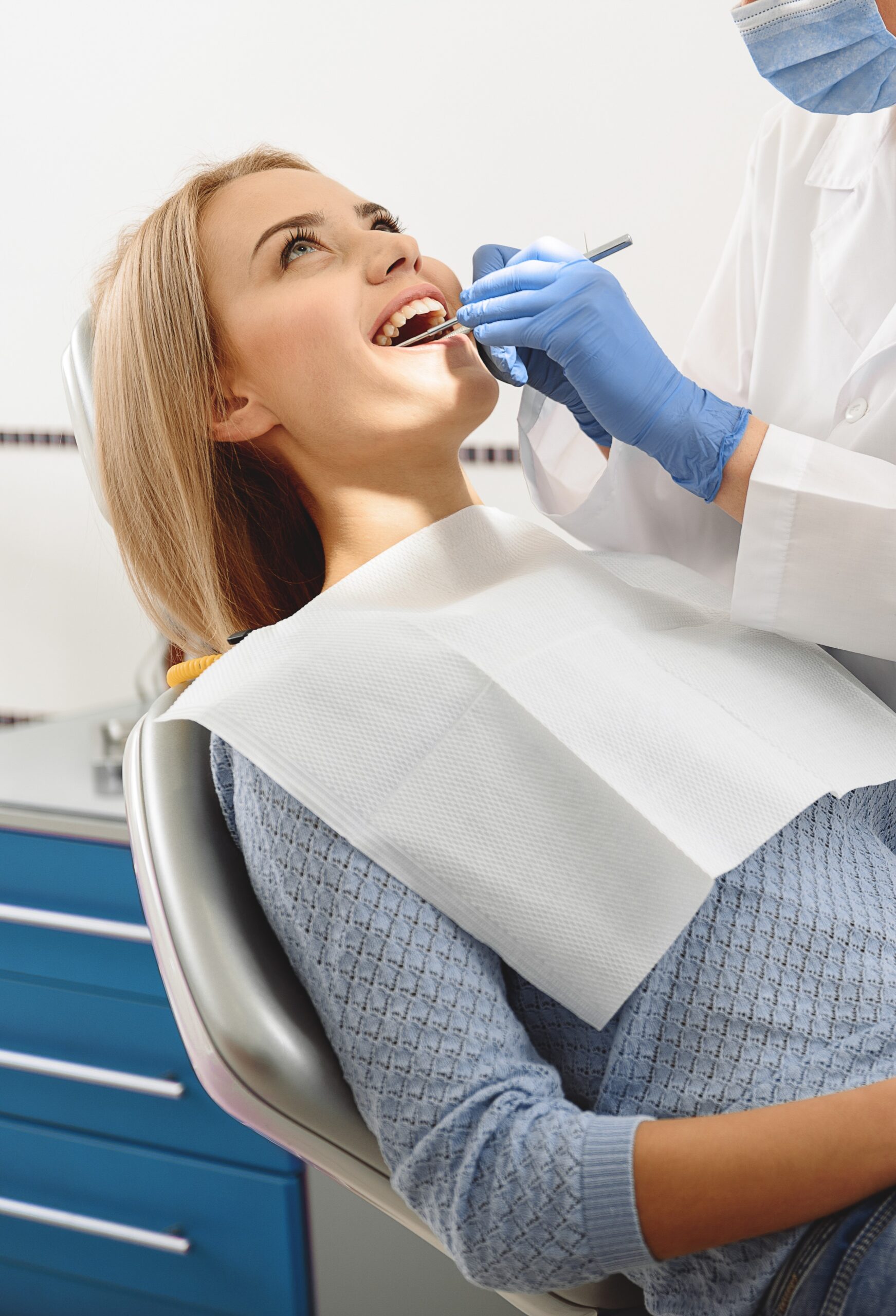
The bonding process is one of the simplest in cosmetic dentistry. Your dentist will select a resin shade that closely matches the color of your natural teeth, then lightly condition the surface of the tooth to help the material adhere. The resin is applied in a putty-like consistency, shaped precisely by hand, and then hardened with a curing light. After the material sets, it is trimmed, smoothed, and polished until it matches the sheen of the surrounding teeth. Most patients can have a single tooth bonded in under an hour.
Frequently Asked Questions About Dental Bonding
Is dental bonding painful?
Most patients feel little to no discomfort. Bonding usually does not require numbing, because only the tooth surface is treated. Anesthetic may be used if a chip is close to the nerve or bonding fills a cavity.
How long does the bonding procedure take?
Most single-tooth bonding appointments take under an hour. Treating several teeth takes longer, but it can often still be completed in one visit.
Can I eat and drink normally after dental bonding?
Yes. The resin is fully hardened before you leave. For the first day or two, it is a good idea to go easy on coffee, tea, and red wine while the surface settles.
Does dental bonding damage your teeth?
Bonding is generally considered safe for your teeth. It requires little or no removal of natural enamel, which makes it one of the most conservative cosmetic treatments available.
Can dental bonding be removed?
Yes. Because the tooth is not significantly reshaped, bonding can usually be removed or replaced, which makes it a flexible option if your goals change later.
Can bonded teeth be whitened?
Composite resin does not change color with whitening. If you want a brighter smile, whiten first, then have your bonding matched to the new shade.
A Faster Path to a Better Smile at Old Trolley Dental Associates
Bonding is one of the more underappreciated treatments in cosmetic dentistry, and Dr. Kibler and Dr. Skovira approach it with the same level of care they bring to more involved procedures. The precision required to shade, shape, and polish composite resin so that it blends seamlessly with surrounding teeth is real craftsmanship, and it shows in the results. As a single-location practice in Summerville, Old Trolley is the kind of office where patients are known by name and treated accordingly. For patients interested in cosmetic treatment, Cherry and CareCredit financing is available, and more information can be found on the financial options page.
If a chip, gap, or area of discoloration has been on your mind and you want a fast, conservative solution, bonding may be exactly what you need. Contact our office to schedule a cosmetic consultation with Dr. Kibler or Dr. Skovira in Summerville, SC.