
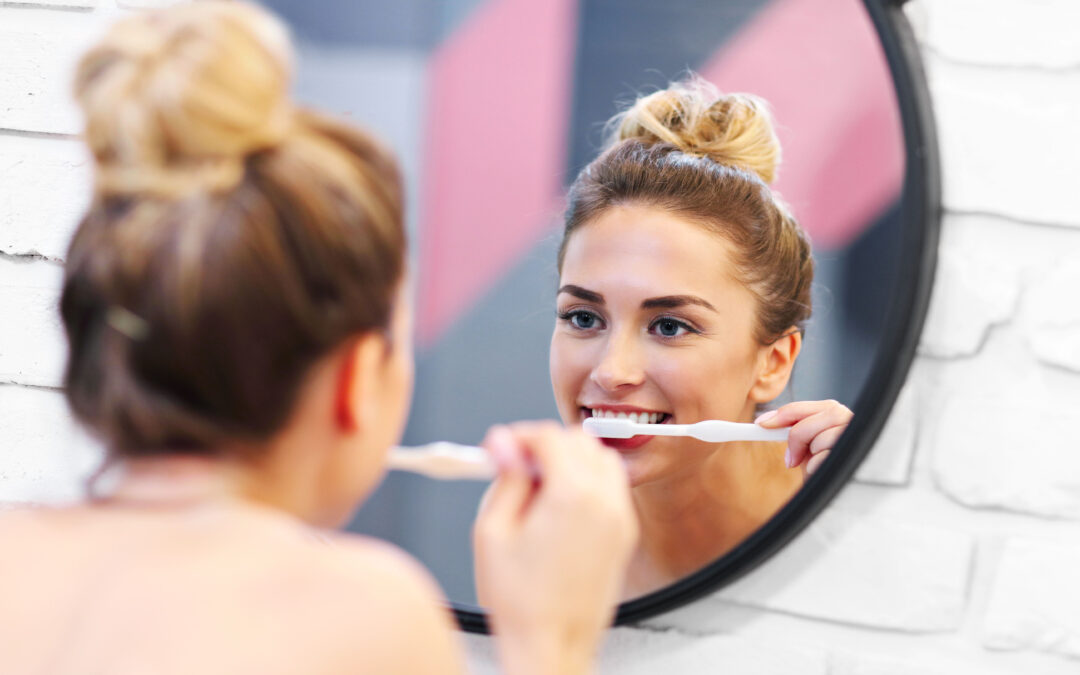
Two minutes in front of the bathroom mirror does not always feel like a priority when mornings are rushed and evenings run long. Yet those quick sessions with a toothbrush and a length of floss are doing more work than most people realize, quietly protecting against the two problems that send more patients into a dental chair than anything else: cavities and gum disease.
At Old Trolley Dental Associates, we spend a good part of our day repairing the damage that skipped brushing and flossing can cause. Dr. Scott Kibler and Dr. Michael Skovira have built a practice around helping Summerville families keep their smiles healthy between visits, not just during them, and that starts with a solid home care routine.
Why Brushing Technique Matters More Than Frequency
Brushing twice a day is a good habit, but how you brush matters just as much as how often. Angling the brush at roughly 45 degrees against the gumline lets the bristles clean along the edge of the tooth, where plaque tends to build up first. Short, gentle strokes cover more surface area than long, hard scrubbing, and scrubbing too hard can actually wear down enamel and irritate gum tissue over time.
A soft-bristled brush is almost always the better choice over a medium or hard one. Replacing that brush every three months, or sooner if the bristles start to fray, keeps the cleaning surface effective. Electric toothbrushes with built-in timers can help take the guesswork out of the full two minutes, which is longer than most people naturally spend.
Common Brushing Mistakes We See
The following habits tend to show up again and again during routine visits.
- Brushing too hard or with a hard-bristle brush
- Skipping the tongue, where odor-causing bacteria collect
- Rinsing with water right after brushing, which reduces fluoride’s benefit
- Holding onto a toothbrush for six months or longer
Small adjustments to these habits can make a noticeable difference in how teeth and gums hold up between cleanings.
Flossing Fills the Gaps Brushing Cannot Reach
A toothbrush cleans the front, back, and chewing surfaces of teeth well, but it cannot reach the tight space between two teeth pressed against each other. That is where floss earns its place in a daily routine. Food particles and plaque that sit between teeth overnight are a leading contributor to the gum disease we treat regularly in our Summerville office.
Curving the floss into a C shape against the side of each tooth, rather than snapping it straight up and down against the gum, protects delicate gum tissue while still reaching below the gumline. For patients who find traditional floss awkward to manage, floss picks or a water flosser can accomplish much the same goal.
According to the Centers for Disease Control and Prevention, missed school and work hours tied to unplanned dental care add up to tens of millions of hours lost every year nationwide, a reminder of how much preventable disease still slips through when daily habits fall short.
Building a Routine That Actually Sticks
The best home care routine is the one that fits naturally into a day already full of other responsibilities. Keeping a travel toothbrush at the office, setting a phone reminder for the evening routine, or pairing flossing with an existing habit like a nightly skincare routine can help turn a good intention into an automatic behavior.
Diet plays a role here too. Cutting back on sugary snacks and acidic drinks between meals gives teeth fewer opportunities to be exposed to the substances that feed decay-causing bacteria. None of this replaces professional care. Twice-yearly cleanings allow our general dentistry team to catch small issues, like early signs that might otherwise require root canal therapy, well before they become painful or costly.
Old Trolley Dental Associates Is Here to Help
Dr. Kibler brings a background of naval dental service to a practice built on steady, community-focused care, while Dr. Skovira’s training at the Medical University of South Carolina and his ongoing role teaching future dentists there reflect the same commitment to doing things well. Together, they lead a team that would rather help patients avoid a problem than treat one after the fact, and a strong brushing and flossing routine is the simplest place to start.
If it has been a while since your last cleaning, or if you have questions about the right technique for your smile, contact us today.
Recent Comments